
An architectural design blog is an online platform where architects, designers, and enthusiasts share project showcases, industry insights, and critical commentary. These blogs serve as inspiration hubs, knowledge repositories, career resources, and community forums, democratizing knowledge once confined to academic journals.
With the architectural services market projected to grow by USD 100.4 billion during 2022-2026, blogs have become a top-five trusted source of information online, fundamentally reshaping how we find, discuss, and understand architecture. Whether you're seeking project imagery, learning about sustainable materials, or exploring firm management, these blogs offer diverse perspectives from practitioners and theorists worldwide, bridging the gap between academic discourse and real-world practice.
I'm Rebecca Falzano, and with nearly 15 years as a shelter magazine editor and writer, I've seen how these platforms have transformed the industry. My experience gives me unique insight into what makes these digital tools essential.
A well-maintained architectural design blog is a dynamic hub for architectural knowledge and trends, offering an accessible window into the complex world of design. This democratization of knowledge highlights the power of the digital age. For architects and firms, leveraging these platforms is crucial. An engaging blog can be a cornerstone of a robust SEO for Architects Complete Guide.

For a spark of inspiration, an architectural design blog is your window to the world. These platforms are visual feasts of contemporary projects, from Scandinavian minimalism to rich vernacular textures. Their power lies in high-quality visuals—stunning photography, renderings, and documentation that make complex concepts understandable. Platforms like ArchDaily and Designboom excel at this, delivering fresh project features from across the globe.
You'll find projects like the Ismaili Center in Houston or the Muskiz Secondary School, which features Faveker's tailor-made tiled facade. These blogs reveal the stories and creative processes behind the buildings. The value extends beyond aesthetics, offering practical insights into sustainable materials, smart technologies, and problem-solving. Geography is no longer a barrier to education; a small firm in Portland can learn from a skyscraper in Shenzhen.
While sponsored content exists, the best blogs maintain editorial integrity, ensuring genuine value. This transparency is a principle we apply when building Great Architecture Websites. Projects are typically organized into residential, commercial, cultural, and infrastructure categories.
The best architectural design blogs offer deep dives that turn showcases into learning experiences. These case studies detail design philosophy, client vision, and construction challenges, as seen in projects like the Nedarag Guesthouse or the Doshi Retreat. Architect interviews provide personal insights into the creative process.
Material innovation is another key focus. As sustainability becomes critical, blogs are essential resources for eco-friendly materials like cross-laminated timber, mycelium, or advanced facade systems like Faveker's GA16 system. Many blogs integrate product spotlights transparently, allowing readers to learn about specific lights or furniture within a project. When done with editorial independence, this benefits everyone: architects get technical details, manufacturers reach their audience, and readers find solutions. This balanced approach is a great model for your own Architecture Portfolio Website—focus on content that informs and inspires.
An architectural design blog is your front-row seat to the industry's biggest moments. Blogs cover awards, design competitions, and biennials with context and analysis, helping you understand the profession's direction. For example, the 2025 Latin American Architecture Biennial signals a shift toward community-focused practices.
You'll also find updates on global urban development, from Edinburgh's sustainability goals to new cultural landmarks like Snøhetta's Qiantang Bay Art Museum. These stories show how architecture responds to modern challenges. Crucially, blogs spotlight emerging architects and studios, giving new voices a global platform. Following these events keeps you ahead of the curve and connected to the broader architectural context. For firms wanting to join this conversation, understanding these platforms is key to developing strategies for How to Grow Architecture Business.
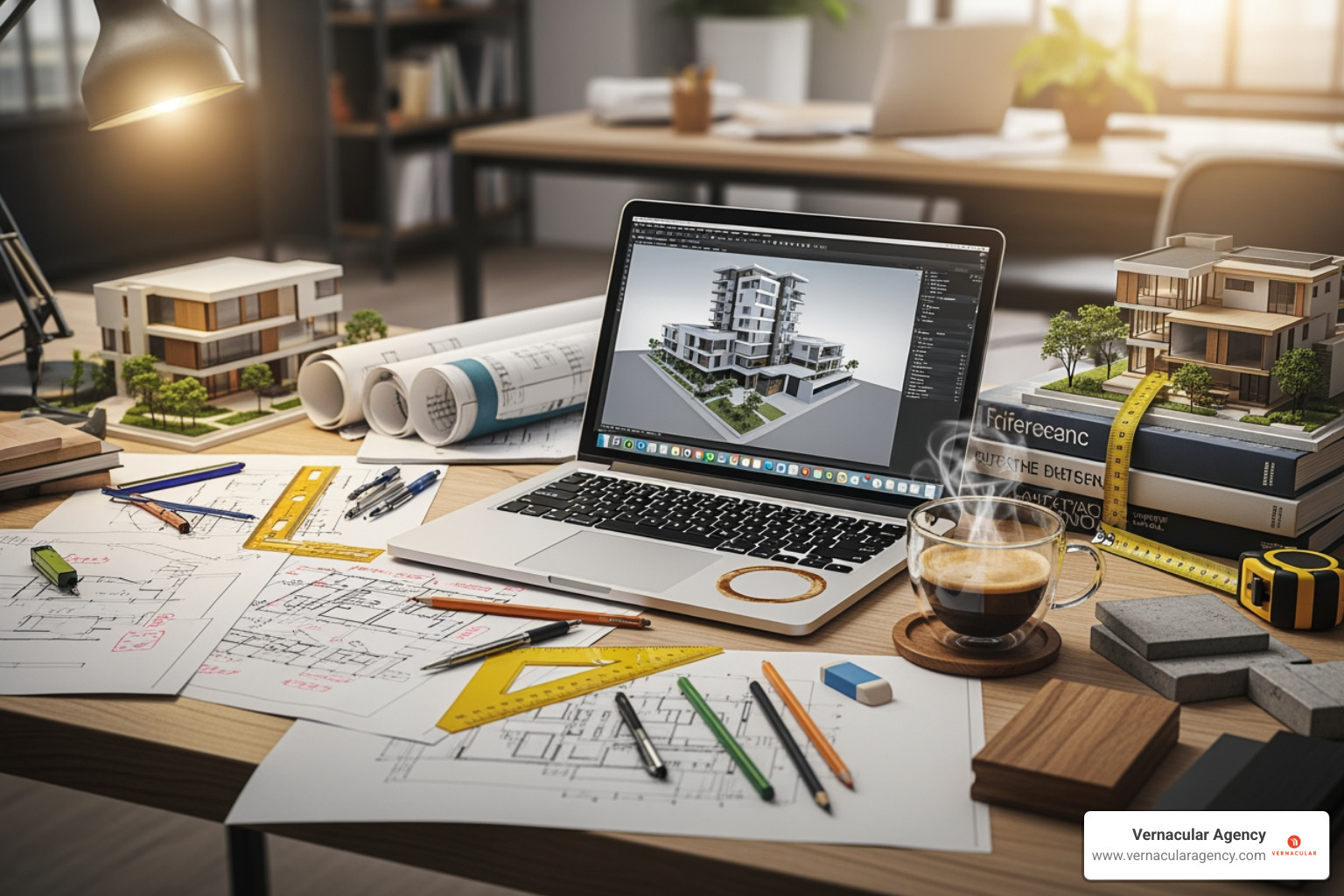
Not every architectural design blog focuses on glossy projects. Some of the most valuable ones pull back the curtain on the real life of an architect—the messy desk, late nights, and coffee-fueled breakthroughs. These practitioner-focused blogs offer a refreshingly honest, day-in-the-life perspective.
Life of an Architect, for example, has a devoted following for its unvarnished look at the profession through blog posts and podcasts. It tackles real-world challenges, like the chaos triggered by a client saying, "it's just a small project." These blogs humanize the profession, discussing the pressure of growing drawing sets, overflowing inboxes, and the existential questions architects face about starting a firm or setting fees. The conversational tone feels like talking with a trusted colleague.
By addressing the unspoken rules and fears of the profession, these blogs create a sense of community and offer guidance that formal education often misses. For firms, these insights are invaluable for building stronger teams and developing strategies for How to Grow Architecture Business that acknowledge the human side of practice.
The path to becoming a licensed architect is challenging, and many architectural design blogs act as digital mentors. They address career progression, from internships and licensing exams to finding the right firm and avoiding burnout. Blogs offer accessible, collective wisdom, sharing practical tips on networking, building a portfolio, and maintaining passion for design.
Some, like the Life of an Architect episode "Ep 188: Changing Paths", explore career pivots. These platforms emphasize authentic relationship-building over transactional networking, fostering a supportive community for students and young professionals. For firms, understanding these challenges is key to connecting with emerging talent and developing a Marketing Strategy for Architects that resonates with what architects truly value.
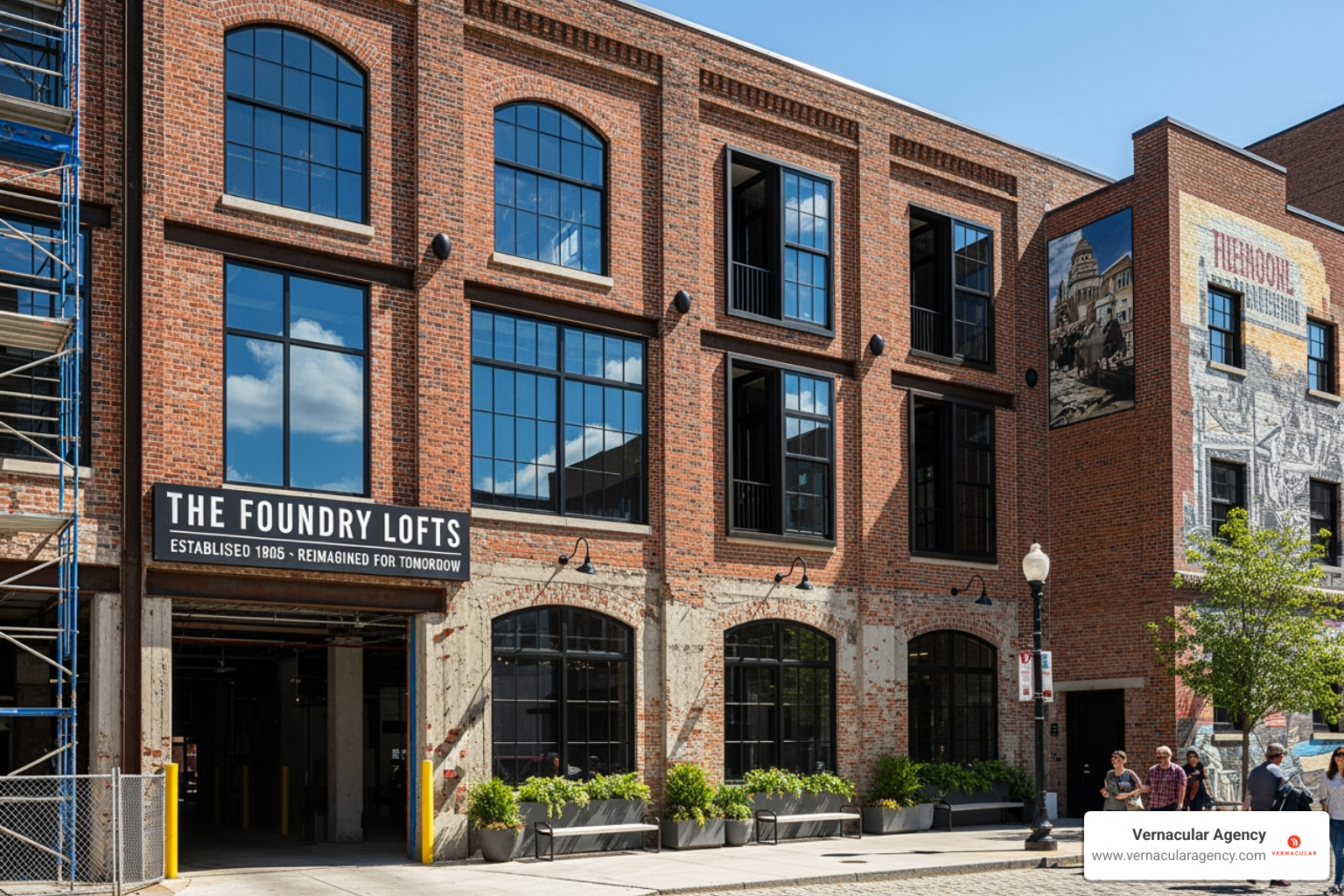
Some of the most valuable architectural design blogs move beyond showcases to explore the intellectual foundations of the field. They ask the hard questions: Why does this building matter? What does it say about our society? These platforms tackle architectural theory, critical analysis, adaptive reuse, historical context, and complex urban planning issues.
McMansion Hell, for example, uses sharp wit to critique suburban trends, teaching readers about thoughtful design. Its success, funded by a McMansion Hell Patreon, proves the value of architectural criticism. Other blogs explore concepts like the 15-minute city or the political nature of architecture. A compelling topic is adaptive reuse, where architects breathe new life into historic structures. The rehabilitation of the Château of the Hertford British Hospital is a prime example, illustrating a thoughtful reinterpretation that respects history while meeting modern needs.
This balance of theory and practice is what makes these blogs so valuable. They use real projects to spark broader discussions, which is essential for firms aiming to be thought leaders. Understanding this discourse is part of a strong Architecture and Marketing strategy.
Even when discussing theory, visuals are essential to an architectural design blog. You can't discuss buildings without showing them. High-quality photography captures a space's atmosphere, light, and materials. Architectural drawings reveal the logic behind the design. Video tours create an immersive experience, while renderings bring future visions to life.
This visual storytelling is crucial. A post on adaptive reuse is more compelling with before-and-after photos, and a critique of urban planning gains power with street-level imagery. Visuals don't just attract readers; they support critical arguments with tangible evidence. At Vernacular Agency, Content Creation & Creative Direction is central to our work because we know brilliant ideas need impactful presentation.
Architectural design blogs have transformed the field into a genuine community dialogue. They don't just broadcast information; they invite debate and engagement. Opinion pieces spark discussions, and reader comments and social media debates add diverse perspectives from architects, students, and enthusiasts. This dynamic creates a space where professionals and enthusiasts connect on equal footing.
For example, a project like the Château of the Hertford British Hospital can trigger conversations about preservation techniques and the ethics of intervention. The work of architects like Maud Caubet, who favor "a thoughtful reinterpretation rather than a replica," becomes a launching point for broader debate. These platforms are essential for shaping conversations around sustainability and urbanism. By providing a forum for diverse voices, blogs help the profession evolve its thinking. For firms, participating in these conversations builds credibility and is a key part of establishing thought leadership.
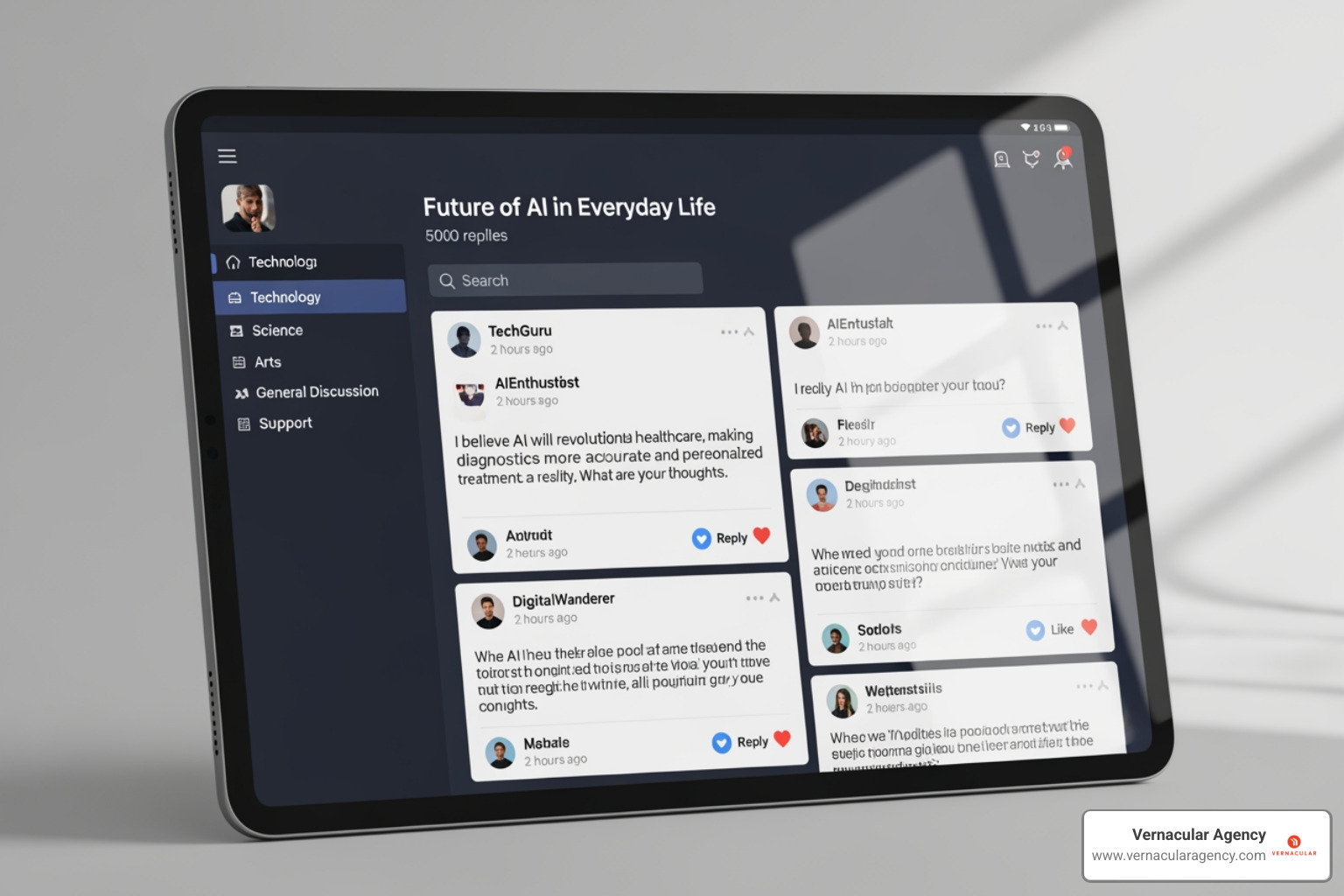
Today's best architectural design blog is a living community, not just a broadcast. These platforms are evolving into interactive spaces where architects, students, and enthusiasts connect. Features like ArchDaily's "Go to my stream" allow for personalized feeds, while social media integration sparks global conversations. Some blogs, like McMansion Hell, build community through platforms like Patreon, offering exclusive access to supporters.
However, challenges remain. Monetization strategies like sponsored content require transparency to maintain trust. Standing out in a growing market demands authentic engagement. Exciting opportunities lie in niche topics like AI and architectural design or sustainability, which foster deep, specialized communities. For firms looking to build their own audience, a smart approach to Digital Marketing for Architecture Firms is essential.
Finding the right architectural design blog is easier than you think. First, clarify your interests: are you looking for sustainable materials, business advice, or critical theory? Explore a mix of broad platforms like ArchDaily and Designboom and more focused niche blogs. Look for signs of a quality blog: consistent publishing, high content quality, and credible authors.
Most importantly, check for community engagement. Do they foster genuine intellectual debate in the comments and discussions? The blogs you follow become your professional development toolkit, keeping you informed and inspired. This continuous learning is a cornerstone of an effective Marketing Strategy for Architects, helping you stay current with industry conversations.
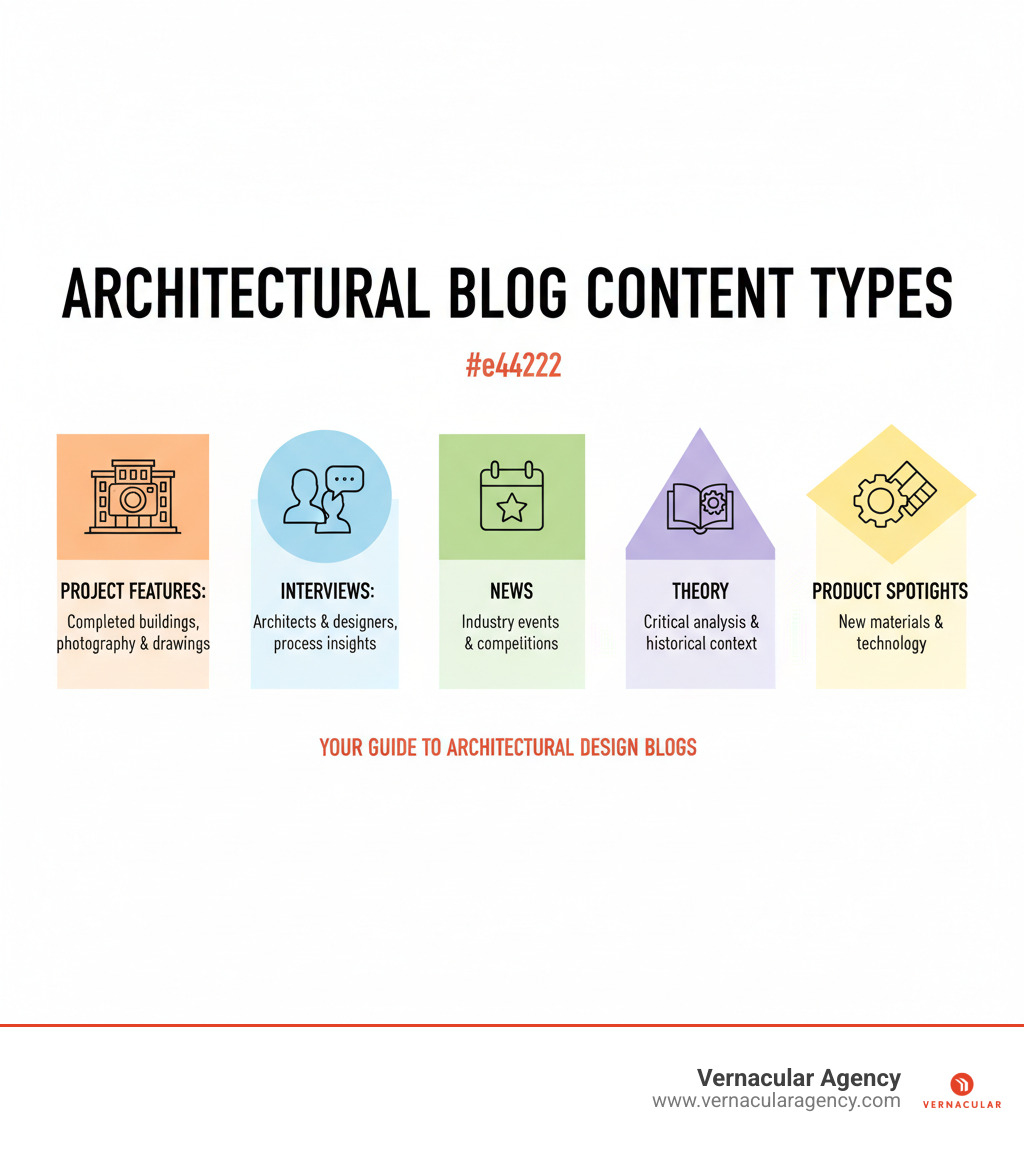
Architectural design blogs cover a wide range of topics, reflecting the diversity of the profession itself. Common content includes:
An architectural design blog is a valuable career asset. It helps architects by:
Staying informed through blogs is a key part of a modern Marketing Strategy for Architects.
A good architectural design blog has several key qualities:
At Vernacular Agency, we help firms build this authority through Content Creation & Creative Direction.
We've seen that architectural design blogs are far more than online portfolios. They are essential tools for inspiration, education, and community, democratizing knowledge and connecting professionals across the globe. They provide a dynamic space to think critically about the built environment.
For architecture firms, a thoughtfully crafted blog and website are indispensable for standing out in a growing market. A strong digital presence is required to tell your story, showcase your vision, and connect with your ideal clients.
That's where we come in. At Vernacular Agency, we create powerful brand identities and digital platforms for architects. We understand the industry's need for stunning visuals and messaging that balances technical expertise with creative vision.
Whether you're a solo practitioner or an established firm, we can help translate your architectural vision from sketch to screen. Learn how a professional website can become your firm's most powerful marketing tool. Let's work together to build a digital home that reflects the excellence of your work.